Kenya’s trade imbalance with China has widened sharply, raising concerns over the growing gap between the country’s imports and exports with its largest Asian partner.
New data shows that while Kenya continues to purchase large volumes of Chinese goods, its exports have fallen sharply, deepening the country’s trade deficit. The trend highlights structural challenges in boosting local products’ competitiveness abroad.
According to the Kenya National Bureau of Statistics, the trade deficit between January and September 2025 reached Sh475.6 billion, up from Sh407.7 billion during the same period in 2024.
This increase of 16.7 percent reflects a combination of rising imports and declining exports, with the gap largely driven by demand for Chinese products in Kenya.
Imports from China rose 14.5 percent to Sh489 billion, up from Sh427.04 billion the previous year, reflecting the continued reliance on Chinese goods for construction, transport, energy, and industrial use.
Conversely, Kenya’s exports to China fell 30.8 percent to Sh13.4 billion from Sh19.3 billion, showing a persistent struggle to expand the country’s export base in the Asian market.
Much of Kenya’s exports remain concentrated in a few raw materials and semi-processed items. Production challenges and limited market access have constrained growth, while imports benefit from long-established supply chains and financial arrangements.
The closure of the Kwale titanium mines, a key source of exports, also contributed to the decline in foreign exchange earnings.
China’s involvement in Kenya’s economy has strengthened over the years, particularly through infrastructure projects and industrial support.
The partnership was boosted after Chinese companies won the contract to construct the standard gauge railway from Mombasa to Suswa near Naivasha. Still, the growing trade gap has kept China at the centre of Kenya’s policy discussions, as authorities look for ways to manage pressure on the country’s current account.
Efforts to expand market access for Kenyan products, especially agricultural exports, have been underway for several years. During high-level talks with Beijing in April last year, Kenya emphasized the need for better trade terms.
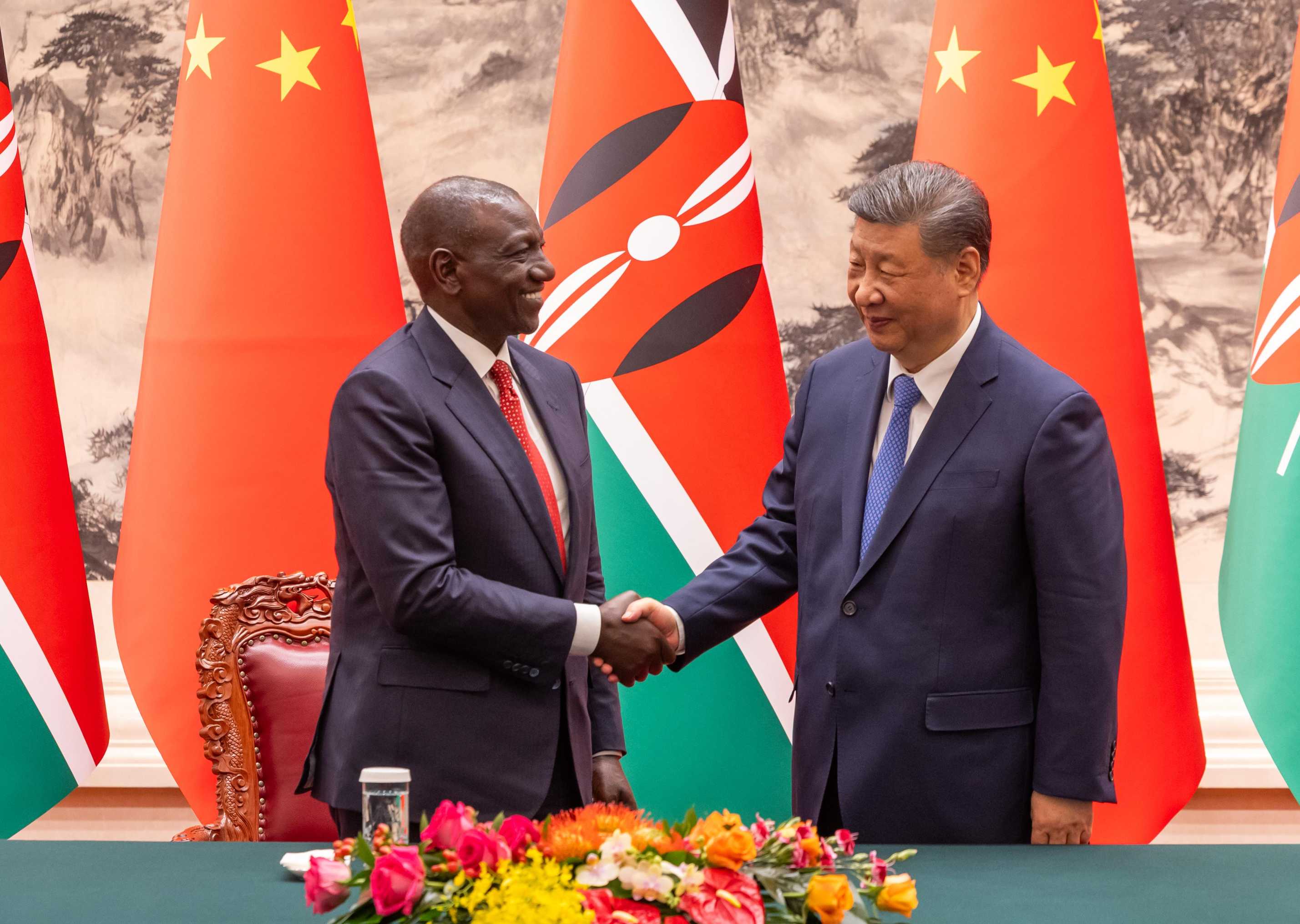
President William Ruto also highlighted the issue during his four-day state visit to China.
“We have concluded the high-level conversations with China. They have agreed to a reciprocal arrangement between Kenya and China…to remove all the tariffs on our tea, coffee, avocado, and all other agricultural exports,” Dr Ruto told business leaders in August last year. These moves are part of Kenya’s broader strategy to diversify exports under the Integrated National Export Development and Promotion Strategy, which seeks new markets beyond traditional Western destinations.
Before the Covid-19 pandemic, agencies like the Kenya Export Promotion and Branding Agency had already been promoting Kenyan products in China, focusing on key agricultural regions. The government continues to prioritize strengthening trade links while addressing the structural challenges that have limited Kenya’s export growth.































Comments
Sign in with Google to comment, reply, and like comments.
Continue with Google